

Cell-type resolved molecular and functional pathology in Scn1a mutant mouse cerebellum

Mapping Early Postnatal Brain Development in Dravet Syndrome Using Multimodal Approaches

Rewriting the Brain’s Code: Nose-to-Brain Gene Therapy for SCN1A Haploinsufficiency

Mechanisms of Seizure Prevention by Tau Reduction in Scn1aRX/+ Mice
Prospective Study of Accelerated Aging in Adults with Dravet Syndrome
Longitudinal Dravet Syndrome Natural History Study
Identification of Behavioral Biomarkers in Children with DS: A Pilot Study


Circuit-selective Whole SCN1A Gene Delivery for Dravet Syndrome

Base editing for the treatment and prevention of Dravet syndrome


Molecular characterization of the therapeutic effect of exogenous NaV1.1


Extended monitoring for cardiac arrhythmias in Dravet syndrome


Mechanistic investigation in a novel mouse model of early-onset SCN1A-related disorders

Establishing the role of the noradrenergic network during seizures in Dravet syndrome


Generating a shareable clinico-genomic data resource for Dravet syndrome


Development of an AI-powered Dravet Syndrome Ontology


Effect of odorant on mortality and extended amygdala activation in Dravet syndrome


Lymphoblast cell lines as a model to uncover metabolic defects in Dravet syndrome

Targeting Molecular Responses to Seizures in Dravet Syndrome
Ketogenic Diet Modulated Brain Energy Metabolism in Dravet Syndrome


Optimizing the Regional Administration of SCN8a-targeting RNAi Therapy

Dravet Syndrome International Consensus Project
Optimizing a novel SCN1A delivery approach for Dravet syndrome therapy
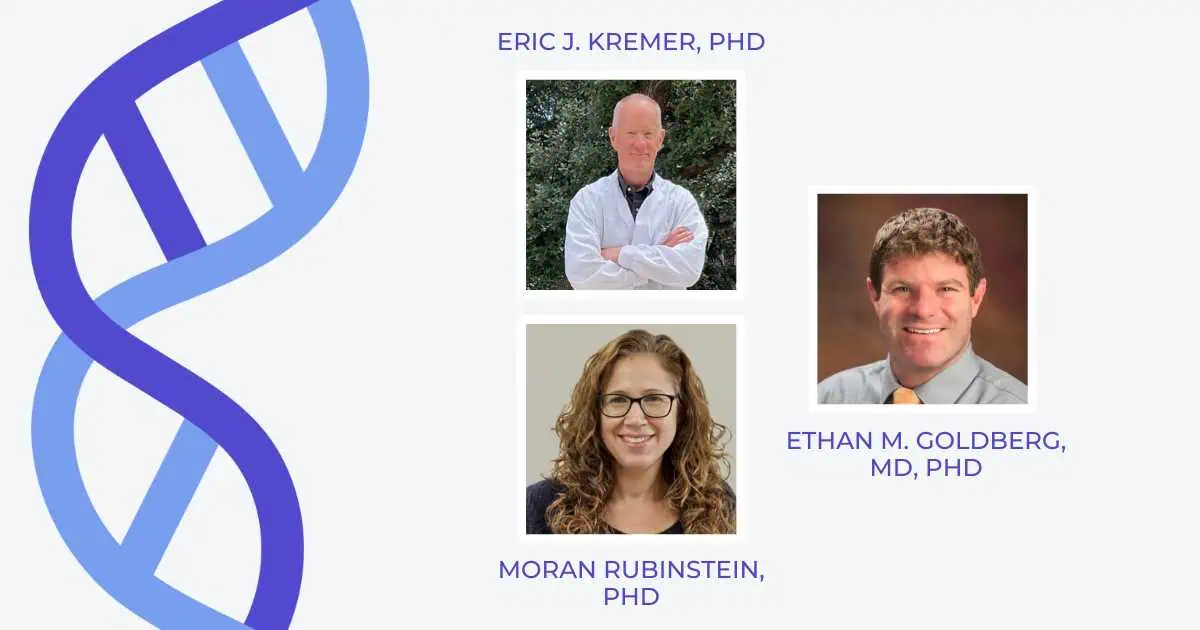
Eric J. Kremer, PhD- Institut de Génétique Moléculaire de Montpellier, Moran Rubinstein, PhD- Tel Aviv University, Ethan Goldberg, MD, PhD- University of Pennsylvania/CHOP
$150,000 – Research Grant (2-year project)
Optimizing a novel SCN1A delivery approach for Dravet syndrome therapy


The vast majority of Dravet syndrome cases are caused by mutations in one of the two copies of the SCN1A gene. The SCN1A gene provides instructions to build a protein that forms a sodium channel called “NaV1.1”. Therefore, as Dravet mutations hamper the function of NaV1.1, restoring the activity of this protein with gene therapy is a logical approach to treat the severe epilepsy and Dravet syndrome-associated developmental delay. An obstacle for gene therapy is the large size of the NaV1.1. While most methods of gene transfer cannot circumvent this obstacle, an adenovirus vector can. Our preliminary data, using a beta version of the vector, already demonstrated the therapeutic potential of this approach. Indeed, administration of such gene therapy treatment to Dravet mice, at the onset of severe epilepsy, reduced the occurrence of spontaneous seizures and improved their survival.
Brainstem glial control of respiration in a mouse model of Dravet syndrome
 Cameron S. Metcalf, PhD- University of Utah
$165,000 – Research Grant (2-year project)
Brainstem glial control of respiration in a mouse model of Dravet syndrome
Patients with Dravet syndrome (DS) suffer from seizures as well as numerous behavioral, cognitive, and metabolic comorbidities. Thus, this disorder is a major challenge to not only patients but also parents, caregivers, and providers for those affected. Further, a high mortality rate due to Sudden Unexpected Death in Epilepsy (SUDEP) is a major source of fear and concern for families affected by DS. The purpose of the outlined studies is to explore a novel potential mechanism of SUDEP in DS. While we understand risk factors and mortality in DS, in order to advance this field of study more information is needed to understand the mechanisms contributing to SUDEP. We have instituted a mouse model of DS with important face validity: pharmacoresistance, hyperthermia-induced seizures, spontaneous seizures, and a high mortality rate. Using this model, the studies outlined in this proposal will address changes in respiratory neurocircuitry that affect breathing following seizures. We propose that in DS, changes in the brainstem may be driven by the responses of glial cells to seizures. Further, these studies also include an intervention that may potentially reduce mortality and improve outcomes. Therefore, this project will advance understanding of the mechanisms of SUDEP in DS and provide a potential therapeutic avenue to minimize mortality risk.
Seizure prediction and detection in a mouse model of Dravet syndrome via machine learning
 $50,000 – Postdoctoral Fellowship (1-year project)
Seizure prediction and detection in a mouse model of Dravet syndrome via machine learning
Dravet syndrome is a chronic infantile myoclonic epilepsy that is not entirely curable with the available treatments in every patient. Current research is focusing on new technologies for the cure and intermittent relief for a better life without seizures. Impending seizure prediction or early detection can be useful for on-demand intervention for ceasing the seizures. The current study proposed to design a seizure detection/prediction system by implementing advanced machine learning algorithm on extracted behavioral signatures in mouse model of Dravet syndrome. The developed seizure detection system will be further executed in a closed loop framework to facilitate the on-demand intervention.
$50,000 – Postdoctoral Fellowship (1-year project)
Seizure prediction and detection in a mouse model of Dravet syndrome via machine learning
Dravet syndrome is a chronic infantile myoclonic epilepsy that is not entirely curable with the available treatments in every patient. Current research is focusing on new technologies for the cure and intermittent relief for a better life without seizures. Impending seizure prediction or early detection can be useful for on-demand intervention for ceasing the seizures. The current study proposed to design a seizure detection/prediction system by implementing advanced machine learning algorithm on extracted behavioral signatures in mouse model of Dravet syndrome. The developed seizure detection system will be further executed in a closed loop framework to facilitate the on-demand intervention.
Multi-modal assessment of adults with Dravet syndrome
 Danielle Andrade, MD – University of Toronto
$150,000 – Research Grant (2 year project)
Multi-modal assessment of adults with Dravet syndrome
Dr. Andrade plans to better characterize the adult patient with Dravet syndrome. She will study balance, gait, posture, memory, ability to perform day-to-day activities, and genome in a cohort of adult with Dravet syndrome to test the hypothesis that there may be premature brain aging in adult patients. They also plan to explore whether previous use of contraindicated medications influence adult outcomes.
Danielle Andrade, MD – University of Toronto
$150,000 – Research Grant (2 year project)
Multi-modal assessment of adults with Dravet syndrome
Dr. Andrade plans to better characterize the adult patient with Dravet syndrome. She will study balance, gait, posture, memory, ability to perform day-to-day activities, and genome in a cohort of adult with Dravet syndrome to test the hypothesis that there may be premature brain aging in adult patients. They also plan to explore whether previous use of contraindicated medications influence adult outcomes.
MicroRNA-mediated modification of Dravet syndrome
 Jennifer A. Kearney, PhD – Northwestern University
$150,000 – Research Grant (2 year project)
MicroRNA-mediated modification of Dravet syndrome
Dravet syndrome is a severe, infant-onset epilepsy with co-occurring developmental delays, motor dysfunction, and high mortality risk. Seizures are frequent and prolonged, and respond poorly to available medicines. There is an urgent need for novel treatments to improve outcomes and quality of life for individuals with Dravet syndrome and their families. Dravet syndrome is most often caused by loss-of-function of one copy of the SCN1A gene that encodes the Nav1.1 voltage-gated sodium channel protein. This results in approximately 50% lower expression of Nav1.1 relative to what is normally needed for nervous system function. Fluctuations in the precise level of Nav1.1 expression may account for some of the clinical variability observed among individuals with Dravet syndrome.
microRNAs are small RNA molecules that regulate expression of gene products, and have the potential to modulate expression of Nav1.1 in the context of Dravet syndrome. The major goal of this proposal is to determine if severity of Dravet syndrome is influenced by microRNAs. We identified two microRNAs that are elevated following seizures and can target SCN1A to repress expression. Thus, elevation in these microRNAs may push Nav1.1 expression below 50% and hasten disease onset or progression. Conversely, suppression of these microRNAs or blockade their binding site on SCN1A may represent a novel therapeutic strategy for Dravet syndrome. Our proposed study will evaluate the potential of these microRNAs to modulate Nav1.1 expression and determine whether a therapy based on this miRNA-SCN1A interaction holds promise.
Jennifer A. Kearney, PhD – Northwestern University
$150,000 – Research Grant (2 year project)
MicroRNA-mediated modification of Dravet syndrome
Dravet syndrome is a severe, infant-onset epilepsy with co-occurring developmental delays, motor dysfunction, and high mortality risk. Seizures are frequent and prolonged, and respond poorly to available medicines. There is an urgent need for novel treatments to improve outcomes and quality of life for individuals with Dravet syndrome and their families. Dravet syndrome is most often caused by loss-of-function of one copy of the SCN1A gene that encodes the Nav1.1 voltage-gated sodium channel protein. This results in approximately 50% lower expression of Nav1.1 relative to what is normally needed for nervous system function. Fluctuations in the precise level of Nav1.1 expression may account for some of the clinical variability observed among individuals with Dravet syndrome.
microRNAs are small RNA molecules that regulate expression of gene products, and have the potential to modulate expression of Nav1.1 in the context of Dravet syndrome. The major goal of this proposal is to determine if severity of Dravet syndrome is influenced by microRNAs. We identified two microRNAs that are elevated following seizures and can target SCN1A to repress expression. Thus, elevation in these microRNAs may push Nav1.1 expression below 50% and hasten disease onset or progression. Conversely, suppression of these microRNAs or blockade their binding site on SCN1A may represent a novel therapeutic strategy for Dravet syndrome. Our proposed study will evaluate the potential of these microRNAs to modulate Nav1.1 expression and determine whether a therapy based on this miRNA-SCN1A interaction holds promise.
Gene therapy for Dravet syndrome by CRISPR/dCas9 mediated activation of SCN1A
 $75,000 – Grant for Genetic Approaches (seed funding for 1 yr project)
Gene therapy for Dravet Syndrome by CRISPR/dCas9 mediated activation of SCN1A
Dravet Syndrome (DS) is mostly caused by mutations in SCN1A gene that typically affect and inactivate only one of the two copies of the gene. We learned from animal models that the amount of functional sodium channel NAV1.1 produced in this genetic condition is not sufficient for proper neuronal activity. Mutations impact mainly on inhibitory interneurons (INs) that become less performing in regulating the activity of excitatory neurons. This unbalance in neuronal activity ultimately results in severe seizures that cannot be successfully controlled by any therapy.
We reasoned that a possibility to cure this pathology would be the restoration of normal levels of functional NAV1.1 protein. A way to reach this goal is to stimulate the expression of the normal copy of the gene by a novel technology named activatory CRISPR/dCas9. dCas9 activator is a powerful tool that can be specifically targeted to SCN1A gene and enhance protein production to a level that can possibly restore correct function of GABAergic inhibitory INs. This technology could remove the causative mechanism of the disease and ultimately revert DS symptomatology.
A series of observation collected in our laboratory already indicate that SCN1A gene is responsive to dCas9 activator at least in cells. Now we aim to improve critical aspects of this powerful technology in order to make it more suitable for future delivery in DS patients. We have to device a system to fit the Cas9 system in recombinant viral vectors (AAV9) that are commonly used for gene therapy in patients and test their ability to rescue the activity of murine neurons. In addition, the efficacy of this technology will be tested in a human model of DS, that is in human neurons differentiated in our laboratory from stem cells obtained from patients’ skin. In this setting we will assess weather human SCN1A gene can be responsive to activatory CRISPR/dCas9 as well.
$75,000 – Grant for Genetic Approaches (seed funding for 1 yr project)
Gene therapy for Dravet Syndrome by CRISPR/dCas9 mediated activation of SCN1A
Dravet Syndrome (DS) is mostly caused by mutations in SCN1A gene that typically affect and inactivate only one of the two copies of the gene. We learned from animal models that the amount of functional sodium channel NAV1.1 produced in this genetic condition is not sufficient for proper neuronal activity. Mutations impact mainly on inhibitory interneurons (INs) that become less performing in regulating the activity of excitatory neurons. This unbalance in neuronal activity ultimately results in severe seizures that cannot be successfully controlled by any therapy.
We reasoned that a possibility to cure this pathology would be the restoration of normal levels of functional NAV1.1 protein. A way to reach this goal is to stimulate the expression of the normal copy of the gene by a novel technology named activatory CRISPR/dCas9. dCas9 activator is a powerful tool that can be specifically targeted to SCN1A gene and enhance protein production to a level that can possibly restore correct function of GABAergic inhibitory INs. This technology could remove the causative mechanism of the disease and ultimately revert DS symptomatology.
A series of observation collected in our laboratory already indicate that SCN1A gene is responsive to dCas9 activator at least in cells. Now we aim to improve critical aspects of this powerful technology in order to make it more suitable for future delivery in DS patients. We have to device a system to fit the Cas9 system in recombinant viral vectors (AAV9) that are commonly used for gene therapy in patients and test their ability to rescue the activity of murine neurons. In addition, the efficacy of this technology will be tested in a human model of DS, that is in human neurons differentiated in our laboratory from stem cells obtained from patients’ skin. In this setting we will assess weather human SCN1A gene can be responsive to activatory CRISPR/dCas9 as well.
Pathogenic splicing mechanisms of an SCN1A poison exon in Dravet syndrome
 Gemma Carvill, PhD – Northwestern University
$165,000 – Research Grant (2 year project)
Pathogenic splicing mechanisms of an SCN1A poison exon in Dravet syndrome
We hypothesize that variants in a subset of patients with Dravet syndrome cause changes in the way SCN1A is made. Specifically, in cells other than the brain, an exon, called a poison exon is included in SCN1A and results in a shortened protein that is non-functional. We have identified patients with mutations that cause the erroneous inclusion of this poison exon. Our goals are to: 1. identify the proteins that control inclusion (or splicing) of the SCN1A poison exon, and; 2. Test the effect of inclusion of this poison exon on production of SCN1A protein and the function of these neurons. Successful completion of these aims will have the following deliverables: 1. The list of proteins that control SCN1A poison exon splicing; 2. A map of the DNA sites to which these proteins bind; 3. An experimental paradigm in which we can test whether we can rescue the splicing defects in these cells toward new RNA-based therapeutics. The definition of the DNA intervals that are important sites for RNA splicing will allow us to better determine which intronic variants identified in patients with epilepsy are more likely to be disease-causing. Moreover, while RNA-based therapeutics such as ataluren are currently in phase 2 clinical trials, only a limited number of patients with Dravet syndrome, with very specific mutations (nonsense variants) are eligible for participation in this trial. In this study, we will address a basic fundamental question involving SCN1A expression that has yet to be addressed: What are the RNA-binding proteins that control splicing of this SCN1A poison exon? If we understand these mechanisms we may be able to manipulate them in the future for novel RNA-based therapeutic interventions.
Subclinical myocardial damage in Dravet syndrome, other refractory convulsive epilepsy, and convulsive status epilepticus
 John M Schreiber, MD – Children’s National / Children’s Research Institute
$150,000 – Research Grant (2 year project)
Subclinical myocardial damage in Dravet syndrome, other refractory convulsive epilepsy, and convulsive status epilepticus
Dr. Schreiber’s study will examine whether subtle changes in heart function can be seen in children with Dravet syndrome, other forms of severe refractory epilepsy, and prolonged seizures (status epilepticus). Speckle tracking echocardiography is a non-invasive ultrasound technique that can measure certain aspects of heart function (strain) that correlate with heart injury. We hypothesize that acute and/or repeated damage to the heart in childhood – related to seizures, and/or direct effects of SCN1A mutations on the heart muscle – may lead to subtle injury, evident on speckle tracking echocardiography, which increases the risk for sudden unexpected death in epilepsy (SUDEP).
Balancing thalamic excitation and inhibition in a Dravet syndrome mouse model
 Sharon Swanger, PhD – Virginia Polytech Institute and State University
$150,000 – 2 year research grant
Balancing thalamic excitation and inhibition in a Dravet syndrome mouse model
Patients with Dravet syndrome have altered neural activity in the thalamus, a brain region involved in the generation and spread of seizures. Our work utilizes a Dravet syndrome mouse model to test if novel small molecules that modulate a subpopulation of glutamate receptors can correct neural activity in the thalamus. This new therapeutic approach for Dravet syndrome has great potential impact as glutamate receptors mediate excitatory brain activity involved in all seizures. Results of this study will advance our knowledge of mechanisms underlying disrupted brain activity in Dravet syndrome and, if successful, will provide a new strategy for correcting brain activity and reducing seizures.
Sharon Swanger, PhD – Virginia Polytech Institute and State University
$150,000 – 2 year research grant
Balancing thalamic excitation and inhibition in a Dravet syndrome mouse model
Patients with Dravet syndrome have altered neural activity in the thalamus, a brain region involved in the generation and spread of seizures. Our work utilizes a Dravet syndrome mouse model to test if novel small molecules that modulate a subpopulation of glutamate receptors can correct neural activity in the thalamus. This new therapeutic approach for Dravet syndrome has great potential impact as glutamate receptors mediate excitatory brain activity involved in all seizures. Results of this study will advance our knowledge of mechanisms underlying disrupted brain activity in Dravet syndrome and, if successful, will provide a new strategy for correcting brain activity and reducing seizures.
Identifying a novel metabolic target for improving disease outcomes in Dravet syndrome
 Rajeswari Banerji, PhD – University of Colorado Denver
$50,000 – 1 year postdoctoral fellowship
Identifying a novel metabolic target for improving disease outcomes in Dravet syndrome
The focus of Dr. Banerji’s research is on a genetic form of childhood epilepsy called Dravet syndrome (DS), caused by mutations in the sodium channel genes resulting in severe frequent seizures, developmental delays and sometimes early death. Using the zebrafish model of DS, we recently uncovered metabolic deficits as a characteristic feature for the disease model. A deeper understanding is required to identify specific metabolic drug targets, to develop novel therapies to treat DS, and other genetic epilepsies in general. Her preliminary work identified a novel drug that could improve metabolic defects, particularly glucose metabolism, seizures and/or behavioral alterations in this disease model. The goal of the proposal is to validate a metabolic gene as a therapeutic target for DS. She will be testing the anti-epileptic potential of the drug and validate its therapeutic target that improves the disease outcomes for DS. This work will help to understand the role of energy metabolism, particularly defects in glucose metabolism as the primary mechanism explaining DS etiology.
Mechanisms of altered neuronal excitability and synaptic integration in a mouse model of Dravet syndrome
 Jessica Chancey, PhD – University of Texas at Austin
$50,000 – 1 year postdoctoral fellowship
Mechanisms of altered neuronal excitability and synaptic integration in a mouse model of Dravet syndrome
Genes linked to Dravet syndrome (DS) have been identified, but we do not yet understand how these genetic changes lead to dysfunctional brain cells and circuitry causing the prolonged seizures, developmental delays, and cognitive deficits of DS. One gene linked to DS is SCN1B, which encodes the b1 protein, an important modulator of brain development and neuronal activity. Dr. Chancey studies neurophysiological changes in mice genetically engineered to lack the SCN1B gene. These mice show many of the same symptoms as DS patients. She studies how loss of b1 alters the activity of and communication between brain cells, with a goal of linking the genetic changes caused by loss of b1 with the complex pathophysiology of DS, potentially identifying new therapeutic targets.
Using human stem cell-derived neurons and cerebral organoids to model pathogenesis in Dravet syndrome
 Louis Dang, MD, PhD – University of Michigan
$50,000 – Postdoctoral Fellowship (1 year project)
Using human stem cell-derived neurons and cerebral organoids to model pathogenesis in Dravet syndrome
Dravet Syndrome (DS) is typically caused by mutations in the SCN1A gene. In order to determine how this mutation causes seizures, we have taken DS patient skin cells and reprogrammed them into stem cells. We will differentiate the stem cells into “mini brains,” 3D structures that resemble the developing human brain, to study the properties of excitatory and inhibitory neurons as they mature together. We also have found that excitatory DS neurons are hyperactive, possibly from overcompensation in SCN8A, a cousin of SCN1A. We will attempt to restore the normal activity in DS patient-derived excitatory neurons by decreasing SCN8A function.
Exploring gene therapy to treat sudden unexpected death and other pathological features of Dravet syndrome
 David R. Hampson, PhD – University of Toronto
$143,000 – Research Grant (2 year project)
Exploring gene therapy to treat sudden unexpected death and other pathological features of Dravet syndrome
The most severe features of Dravet Syndrome are drug-resistant epileptic seizures and sudden unexpected death in epilepsy (SUDEP). Current pharmacotherapy for treating seizures in Dravet syndrome is often not effective, or is only effective for a short time. All current drugs used are small molecules that are chemically synthesized or purified from botanical sources. In contrast, “biological therapeutics” rely on large “macromolecules” that often have more robust and longer term beneficial effects. One class of biologics employs viruses that act as vectors (viral vectors) to
carry molecules into cells, including neurons, where they can have protracted therapeutic effects. One type of viral vector called “adeno-associated virus” (AAV) is currently being tested in many human clinical trials covering a wide range of diseases and disorders, including neurological disorders. About half the human population has been exposed to AAVs and carries antibodies to AAV in the blood. Importantly, no known human disease has been linked to AAV infection. Thus, to the best of our knowledge, AAV vectors are safe and extremely useful for gene therapy. A goal of this project is to create and test viral vectors containing the DNA coding for several different proteins, such as sodium channel subunits, in a mouse model of Dravet syndrome, that we hypothesize could stop or reduce seizures and/or SUDEP.
Disordered breathing contributes to SUDEP in a mouse model of Dravet syndrome
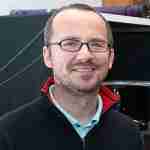 Daniel Mulkey, PhD – University of Connecticut
$150,000 – Research Grant (2 year project)
Disordered breathing contributes to SUDEP in a mouse model of Dravet syndrome
Dravet syndrome (DS) is a severe form of epilepsy with a high risk of sudden unexpected death in epilepsy (SUDEP). Cardiac failure is considered the main cause of death in DS; however, despite evidence that disordered breathing can precipitate cardiac problems and respiratory failure is a leading cause of SUDEP, respiratory function in DS has not been characterized so it is not known whether disordered breathing contributes to sudden death in DS. Therefore, there is an urgent need to understand how DS-associated gene mutations affect respiratory activity. The proposed experiments address this need by characterizing respiratory behavior at the cellular, neural network and whole animal levels in a mouse model of DS. By understanding whether and how DS-associated gene mutations influence respiratory control, this work will lay a foundation for development of new treatments and diagnostic tests for SUDEP in DS.
Daniel Mulkey, PhD – University of Connecticut
$150,000 – Research Grant (2 year project)
Disordered breathing contributes to SUDEP in a mouse model of Dravet syndrome
Dravet syndrome (DS) is a severe form of epilepsy with a high risk of sudden unexpected death in epilepsy (SUDEP). Cardiac failure is considered the main cause of death in DS; however, despite evidence that disordered breathing can precipitate cardiac problems and respiratory failure is a leading cause of SUDEP, respiratory function in DS has not been characterized so it is not known whether disordered breathing contributes to sudden death in DS. Therefore, there is an urgent need to understand how DS-associated gene mutations affect respiratory activity. The proposed experiments address this need by characterizing respiratory behavior at the cellular, neural network and whole animal levels in a mouse model of DS. By understanding whether and how DS-associated gene mutations influence respiratory control, this work will lay a foundation for development of new treatments and diagnostic tests for SUDEP in DS.
Target validation of thalamic T-type calcium channels in a mouse model of Dravet syndrome
 Jeffrey Calhoun, PhD – Northwestern University
$50,000 Postdoctoral Fellowship (1 year project)
Target validation of thalamic T-type calcium channels in a mouse model of Dravet syndrome
Modifier genes influence the severity of epilepsy in Dravet Syndrome and other genetic epilepsies. These epilepsy modifier genes may represent targets for the design of novel therapeutic interventions. We previously identified a modifier gene, Cacna1g, that influences seizure susceptibility in a mouse model of Dravet Syndrome. One goal of this fellowship is to determine whether Cacna1g and related gene Cacna1h are potential molecular targets for therapy using genetic and pharmacological tools in a mouse model of Dravet Syndrome. The other goal of this fellowship is to map the neuronal circuits activated during seizure initiation and propagation in a mouse model of Dravet Syndrome.
Jeffrey Calhoun, PhD – Northwestern University
$50,000 Postdoctoral Fellowship (1 year project)
Target validation of thalamic T-type calcium channels in a mouse model of Dravet syndrome
Modifier genes influence the severity of epilepsy in Dravet Syndrome and other genetic epilepsies. These epilepsy modifier genes may represent targets for the design of novel therapeutic interventions. We previously identified a modifier gene, Cacna1g, that influences seizure susceptibility in a mouse model of Dravet Syndrome. One goal of this fellowship is to determine whether Cacna1g and related gene Cacna1h are potential molecular targets for therapy using genetic and pharmacological tools in a mouse model of Dravet Syndrome. The other goal of this fellowship is to map the neuronal circuits activated during seizure initiation and propagation in a mouse model of Dravet Syndrome.
Optimization of clemizole as a novel treatment for Dravet syndrome
 Aliesha Griffin, PhD – University of California, San Francisco $50,000 Postdoctoral Fellowship (1 year project)
Optimization of clemizole as a novel treatment for Dravet syndrome
There is a significant need to develop new therapeutic treatments for Dravet syndrome patients as many children suffer persistent drug resistant seizures. Like Dravet syndrome patients, zebrafish with a mutation in SCN1A gene also have seizure-like behaviors.The antihistamine clemizole was able to significantly reduce these seizure-like episodes. However, antihistamines are typically not recommended for Dravet syndrome patients. By modifying the chemical structure of clemizole we can remove its antihistamine activity and improve its antiepileptic properties. These new compounds will be tested for antiepileptic activity using our Dravet syndrome zebrafish model. I anticipate these new versions of clemizole will provide a platform for developing a new treatment for Dravet syndrome.
Aliesha Griffin, PhD – University of California, San Francisco $50,000 Postdoctoral Fellowship (1 year project)
Optimization of clemizole as a novel treatment for Dravet syndrome
There is a significant need to develop new therapeutic treatments for Dravet syndrome patients as many children suffer persistent drug resistant seizures. Like Dravet syndrome patients, zebrafish with a mutation in SCN1A gene also have seizure-like behaviors.The antihistamine clemizole was able to significantly reduce these seizure-like episodes. However, antihistamines are typically not recommended for Dravet syndrome patients. By modifying the chemical structure of clemizole we can remove its antihistamine activity and improve its antiepileptic properties. These new compounds will be tested for antiepileptic activity using our Dravet syndrome zebrafish model. I anticipate these new versions of clemizole will provide a platform for developing a new treatment for Dravet syndrome.
Using patient specific iPSC-derived neurons to identify molecular biomarkers of drug treatment responsiveness in Dravet syndrome
 Evangelos Kiskinis, PhD – Northwestern University
$165,000 – Research Grant (2 years)
Using patient specific iPSC-derived neurons to identify molecular biomarkers of drug treatment responsiveness in Dravet syndrome
Dravet syndrome remains particularly difficult to treat, with one third of all patients failing to respond to any of the currently available anti-seizure medication. In all cases it is hard to predict how a patient will respond to a drug and clinicians often have to resolve to a trail-and-error approach that can have devastating repercussions for patients and their families. Using Dravet patient-specific stem cells we aim to carefully examine brain cells from patients that have shown good seizure control after drug treatment as well as patients that have been completely refractory to drug treatment. By studying the electrical patterns, the molecular properties and the responses to drugs of these brain cells grown in a dish we aim to: a) understand what makes brain cells respond well to drugs, and b) determine whether we can predict what drug would work best for each patient simply by studying their cells. If successful, our approach will have a major impact in how we diagnose and treat Dravet as well as patients suffering with other kinds of epilepsies.
A Novel System to evaluate SCN1A Pathogenicity
 Dennis Lal, PhD – The Broad Institute
$150,000 – Research Grant (2 years)
A Novel System to evaluate SCN1A Pathogenicity
Predicting the consequences of mutations identified in clinical screens is far from easy. This is particularly true for genes like SCN1A where variants can be neutral or lead to a wide spectrum of disorders. We will develop novel methods to computationally distinguish pathogenic from benign variants in SCN1A and related genes in patients with Dravet syndrome (DS) and related epilepsies. In our analyses, we will incorporate chemical, biological and a wide range of additional information of mutations in DS-genes to identify differences between patients and controls. The developed methods and findings will be available online to aid variant prediction and drug development.
Understanding the mechanisms and efficacy of cannabidiol (CBD)
 Ruth Westenbroek, PhD – University of Washington
$164,000 – Research Grant (2 years)
Understanding the mechanisms and efficacy of cannabidiol (CBD).
Dravet Syndrome (DS) is one of the most severe childhood neuropsychiatric diseases, with symptoms including febrile seizures and intractable epilepsy, developmental delay, ataxia, sleep disorder, autistic-like behaviors, frequent premature death, and profound cognitive deficit. Life-threatening pediatric epilepsies such as DS are unresponsive to standard therapies. Clinical and preclinical results suggest that cannabidiol (CBD), a non-psychoactive derivative of marijuana, may have novel antiepileptic effects. We will test the hypothesis that CBD attenuates or completely eliminates thermally evoked seizures, spontaneous seizures and/or sudden unexpected deaths using our mouse model of DS. Mice with heterozygous loss-of-function mutations in the Scn1a gene encoding Nav1.1 voltage-gated sodium channels have been shown to be an exact phenocopy of the human DS disease and provide us a unique opportunity to understand the mechanism of action of CBD. Determination of the underlying mechanisms will not only provide a solid basis for the development of a new class of anti-epileptic medicines to benefit pediatric epilepsies but also help the field to better understand key physiological processes that can be targeted to control intractable seizures. The mechanisms investigated here will help guide the next stages of this research in our attempt to discover potentially effective drug combinations for intractable epilepsies.
Ruth Westenbroek, PhD – University of Washington
$164,000 – Research Grant (2 years)
Understanding the mechanisms and efficacy of cannabidiol (CBD).
Dravet Syndrome (DS) is one of the most severe childhood neuropsychiatric diseases, with symptoms including febrile seizures and intractable epilepsy, developmental delay, ataxia, sleep disorder, autistic-like behaviors, frequent premature death, and profound cognitive deficit. Life-threatening pediatric epilepsies such as DS are unresponsive to standard therapies. Clinical and preclinical results suggest that cannabidiol (CBD), a non-psychoactive derivative of marijuana, may have novel antiepileptic effects. We will test the hypothesis that CBD attenuates or completely eliminates thermally evoked seizures, spontaneous seizures and/or sudden unexpected deaths using our mouse model of DS. Mice with heterozygous loss-of-function mutations in the Scn1a gene encoding Nav1.1 voltage-gated sodium channels have been shown to be an exact phenocopy of the human DS disease and provide us a unique opportunity to understand the mechanism of action of CBD. Determination of the underlying mechanisms will not only provide a solid basis for the development of a new class of anti-epileptic medicines to benefit pediatric epilepsies but also help the field to better understand key physiological processes that can be targeted to control intractable seizures. The mechanisms investigated here will help guide the next stages of this research in our attempt to discover potentially effective drug combinations for intractable epilepsies.
Ataluren Trial
 Orrin Devinsky, MD – NYU Comprehensive Epilepsy Center and the Saint Barnabas Institute of Neurology and Neurosurgery.
$50,000 – Ataluren Trial
PTC Therapeutics, the Dravet Syndrome Foundation, and FACES are sponsoring a trial of Ataluren to treat children with treatment-resistant epilepsy associated with Dravet Syndrome or CDKL5 due to stop codon (nonsense) mutations. These are DNA changes in which one DNA nucleotide is substituted for another one and instead of the three letter DNA sequence coding for an amino acid, it codes for a message to prematurely stop the amino acid chain and prematurely terminate the SCN1A or CDKL5 protein, resulting in a roughly 50% reduction in the amount of functional protein since these partial proteins are typically metabolized rapidly by nerve cells. Eight children with Dravet Syndrome and eight children with CDKL5 will be enrolled in this double-blind placebo controlled crossover study.
Orrin Devinsky, MD – NYU Comprehensive Epilepsy Center and the Saint Barnabas Institute of Neurology and Neurosurgery.
$50,000 – Ataluren Trial
PTC Therapeutics, the Dravet Syndrome Foundation, and FACES are sponsoring a trial of Ataluren to treat children with treatment-resistant epilepsy associated with Dravet Syndrome or CDKL5 due to stop codon (nonsense) mutations. These are DNA changes in which one DNA nucleotide is substituted for another one and instead of the three letter DNA sequence coding for an amino acid, it codes for a message to prematurely stop the amino acid chain and prematurely terminate the SCN1A or CDKL5 protein, resulting in a roughly 50% reduction in the amount of functional protein since these partial proteins are typically metabolized rapidly by nerve cells. Eight children with Dravet Syndrome and eight children with CDKL5 will be enrolled in this double-blind placebo controlled crossover study.
The therapeutic potential of the thalamus in Dravet syndrome
 Stephanie Makinson, PhD – The Gladstone Institutes
DSF & AES Early Career Research Partnership – $45,000 (1 year project)
The therapeutic potential of the thalamus in Dravet syndrome
Dravet syndrome (DS) is a severe childhood epilepsy for which there is no cure and current treatments often cause major side effects. Most patients with DS have a mutation in the gene, SCN1A, which changes the function of the SCN1A protein and causes seizures. While inhibitory cells in the thalamus express high levels of SCN1A, we only recently learned that this region of the brain is abnormal in Dravet syndrome. With a well-established mouse model of DS that expresses the mutated human Scn1a gene, we showed, for the first time, that the thalamus is pathological and can generate epileptic activity in Dravet syndrome mice. We then manipulated the activity of the inhibitory cells in the thalamus by delivering light specifically to these cells, which interrupted ongoing seizures in freely behaving DS mice. In the proposed project, our goal is to use novel optical approaches to either disrupt or order the activity of inhibitory cells in the thalamus to determine if they cause seizures in Dravet syndrome mice. This work will serve as a proof-of-concept that we could target the thalamus to treat, and potentially cure, Dravet syndrome.
Published Paper
Stephanie Makinson, PhD – The Gladstone Institutes
DSF & AES Early Career Research Partnership – $45,000 (1 year project)
The therapeutic potential of the thalamus in Dravet syndrome
Dravet syndrome (DS) is a severe childhood epilepsy for which there is no cure and current treatments often cause major side effects. Most patients with DS have a mutation in the gene, SCN1A, which changes the function of the SCN1A protein and causes seizures. While inhibitory cells in the thalamus express high levels of SCN1A, we only recently learned that this region of the brain is abnormal in Dravet syndrome. With a well-established mouse model of DS that expresses the mutated human Scn1a gene, we showed, for the first time, that the thalamus is pathological and can generate epileptic activity in Dravet syndrome mice. We then manipulated the activity of the inhibitory cells in the thalamus by delivering light specifically to these cells, which interrupted ongoing seizures in freely behaving DS mice. In the proposed project, our goal is to use novel optical approaches to either disrupt or order the activity of inhibitory cells in the thalamus to determine if they cause seizures in Dravet syndrome mice. This work will serve as a proof-of-concept that we could target the thalamus to treat, and potentially cure, Dravet syndrome.
Published Paper